H. Lynn is a healthcare professional, researcher, and writer who has spent over twenty years researching and writing about public health. Throughout their career, they’ve partnered with experts, written, reported, and testified on issues affecting community health, with a particular focus on environmental exposures and their potential links to disease. Their work is driven not only by professional experience but also by personal history.
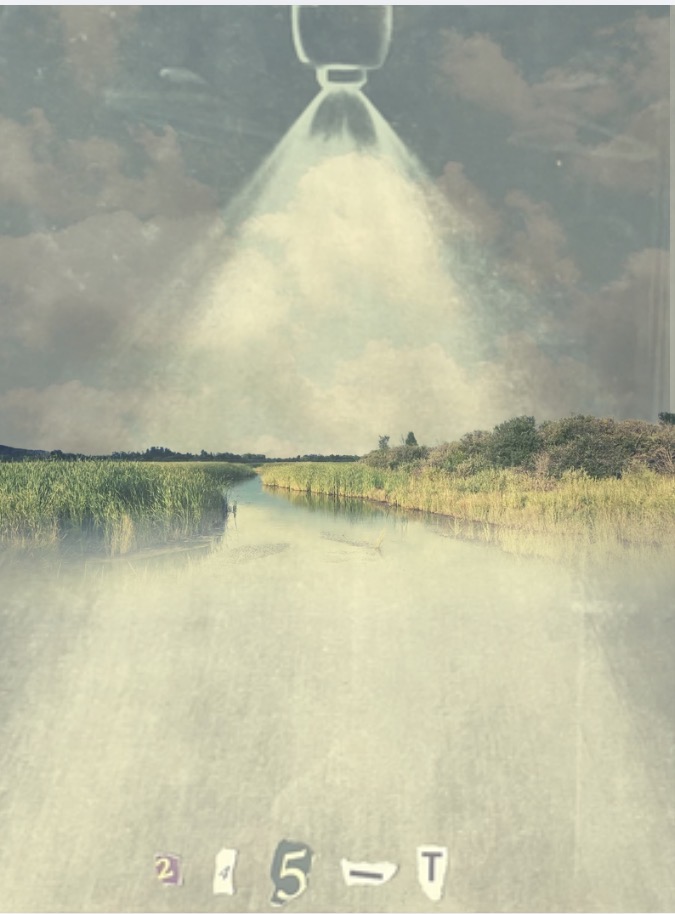
H. Lynn or Heidi lost their brother during the AIDS epidemic at a time when the crisis was widely ignored by the Reagan Administration. He died just one year before antiretroviral therapies became available in 1995—an experience that profoundly shaped Heidi’s understanding of how delayed recognition of public health threats can cost lives. Growing up near the I-35W highway, Heidi spent her childhood playing on elementary school playgrounds and crossing the busy I-35W Interstate daily to attend high school. Experiences that later informed their awareness of how infrastructure and environmental conditions intersect with community health. Having experienced infertility, Heidi questions how our health is affected living near the highways, county roads, and along power lines, railroads and wetlands where harmful chemical weed and brush herbicides were and are applied still today, most often unseen.
Outside of their research and writing, Heidi likes to be outdoors biking, swimming, with friends and family to connect with the natural world. A lifelong appreciation for nature was nurtured early by a dad who shared a fascination with salamanders, frogs, and the small ecosystems that thrive around rivers and wetlands . These early experiences helped cultivate the curiosity and environmental awareness that continue to shape Heidi’s work today.
Their upcoming book draws on healthcare experience and investigative research into the use of herbicides in Minnesota. By uncovering overlooked and untold histories and secrets, they hope to increase awareness of the lasting impact chemical exposures have on individuals, families, and communities. Given that the trans generational exposure to deadly chemicals can impact three generations or more, there is some hope through epigenetic research that our children will not inherit the diseases we are too familiar with today, such as diabetes, cancer, cardiovascular, kidney, and liver diseases, and Parkinson’s. If we can listen and learn, maybe we’ll begin to recover, not only for humans but for the plants and all living beings.